
Car Care in Agoura Hills, CA: Protecting Your Vehicle From Sun, Dust, and Canyon-Road Wear
Author:
Intellectual Market Insights Research
Published Date:
25 Nov 2026
Key Takeaways
- Agoura Hills drivers contend with bright sun, dry stretches, dusty roads, traffic, and changing conditions on nearby canyon and freeway routes.
- Routine checks of tires, fluids, batteries, and cooling components can help uncover issues before a longer drive.
- Shade, interior protection, frequent washing, and paint care can reduce cosmetic wear associated with Southern California driving.
- Tire pressure, tread, and visible tire damage deserve extra attention before hot-weather trips.
- A simple monthly routine is easier to maintain than waiting for a warning light or a breakdown.
Table of Contents
- Why Agoura Hills Conditions Affect Vehicle Care
- Vehicle Parts Most Affected by Heat
- How to Protect the Interior From Sun Damage
- Ways to Reduce Paint and Exterior Wear
- Tire Care for Hot Roads and Long Drives
- A Simple Monthly Maintenance Checklist
- How to Prepare for a Summer Road Trip
- Vehicle Upgrades Worth Considering
- Common Car-Care Mistakes to Avoid
- Final Thoughts
Life in Agoura Hills often means a mix of school runs, freeway commutes, trips through the Santa Monica Mountains, and weekends headed toward the coast or inland. That variety makes prevention especially useful. Regular washing, sensible parking habits, and protective services such as ceramic coating for cars in Agoura Hills, CA, can help drivers keep a vehicle looking cared for while addressing the conditions it faces every day.
Good car care does not require turning every weekend into a detailing project. The practical goal is to notice small changes early, protect the surfaces exposed to sun and debris, and follow the maintenance intervals listed in the owner’s manual. A few consistent habits can make a meaningful difference over years of local driving.
Why Agoura Hills Conditions Affect Vehicle Care
Agoura Hills sits where suburban driving meets open-space scenery and major regional travel corridors. A vehicle may spend one day parked in direct sun and the next traveling through dustier inland areas, coastal moisture, or stop-and-go traffic on the 101. Sunlight, road grit, tree sap, bird droppings, and warm pavement can gradually affect exterior finishes, rubber components, and cabin materials.
For drivers searching for automotive ceramic coating near me, it helps to think about protection as part of a larger care plan. Coatings and other protective products can support easier cleaning, but they work best alongside routine washing, safe drying methods, and prompt removal of contaminants.
Vehicle Parts Most Affected by Heat
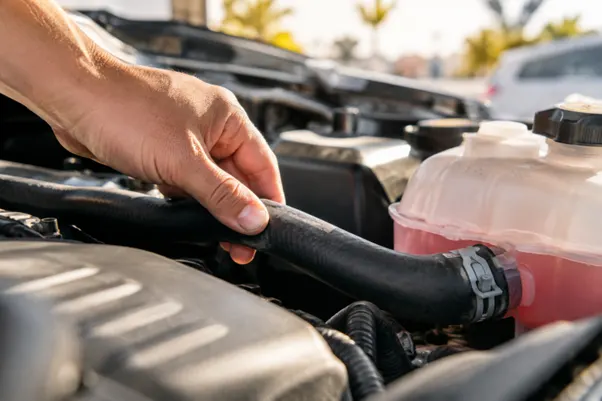
Warm weather places added demands on several vehicle systems. The battery, cooling system, air conditioning, belts, hoses, and operating fluids all deserve attention. A battery with corrosion around its terminals, a cracked hose, low coolant, or air conditioning that no longer cools effectively can justify a professional inspection before the problem becomes more disruptive.
Check engine oil, coolant, brake fluid, and washer fluid according to the owner’s manual, using the manufacturer-approved specifications. Never remove a cooling-system cap while the engine is hot. Pressurized hot coolant can cause serious burns.
How to Protect the Interior From Sun Damage
A parked car can become uncomfortable quickly in direct Southern California sun, and repeated exposure can fade or dry interior materials over time. Use a reflective windshield sunshade when parking outdoors, and choose shade, covered parking, or a garage whenever practical. Keep loose electronics, aerosol containers, medication, and other heat-sensitive items out of the cabin.
Clean dashboards, door panels, leather, and vinyl with products intended for automotive interiors. Follow product directions carefully, especially on leather or screens. Window film may help manage glare and cabin heat, but drivers should confirm that any installation complies with applicable California requirements.
Ways to Reduce Paint and Exterior Wear
Paint care is particularly relevant for vehicles parked outside around Agoura Hills. Dust can act abrasively when wiped across a dry panel, while sap, bird droppings, and hard-water spots are easier to address when handled promptly. Rinse loose dirt before washing, use a vehicle-safe soap, and dry with clean microfiber towels rather than allowing mineral-heavy water to sit on the finish.
Wax, sealant, ceramic coating, and paint protection film serve different purposes, budgets, and maintenance preferences. Paint protection film is often considered for high-impact areas such as the front bumper, hood edge, mirrors, and rocker panels. No option eliminates the need for washing, but a maintained protective layer can make routine cleanup simpler.
Tire Care for Hot Roads and Long Drives
Tires are the vehicle’s direct connection to the road, so they should be checked monthly and before longer trips. The National Highway Traffic Safety Administration advises drivers to check pressure when tires are cold and to use the recommended pressure on the vehicle’s door-jamb label or in the owner’s manual, not the maximum number printed on the tire sidewall. Its guidance on tire maintenance and pressure checks also emphasizes inspecting the spare.
A Quick Tire Check
- Measure pressure before driving or after the vehicle has been parked for several hours.
- Look for cuts, cracks, bulges, punctures, or uneven tread wear.
- Check treadwear indicators and pay attention to new vibration or pulling.
- Confirm the spare tire, inflator, or repair kit is ready to use.
- Avoid exceeding the vehicle’s stated load limit.
A Simple Monthly Maintenance Checklist
Set aside about 15 minutes once a month for a walk-around inspection. Check tire pressure and tread, look beneath the vehicle for fresh leaks, test headlights and brake lights, inspect wiper blades, and refill washer fluid if needed. With the engine cool, review fluid levels as directed by the owner’s manual. Also inspect battery terminals for visible corrosion and note any dashboard warning lights.
Keep service records in a folder, phone app, or spreadsheet. A simple record of oil changes, tire rotations, inspections, and repairs makes it easier to follow manufacturer intervals and identify recurring issues.
How to Prepare for a Summer Road Trip
Whether the destination is the Central Coast, the desert, or a family visit farther inland, schedule a pre-trip check several days before departure. That leaves time to address worn wipers, questionable tires, weak air conditioning, or a fluid concern without changing travel plans at the last minute.
- Inspect tires, brakes, lights, wipers, and cooling components.
- Pack drinking water, a charged phone, charging cable, first-aid supplies, and basic emergency items.
- Review the route, fuel or charging stops, and expected weather conditions.
- Share the travel plan with someone who is not on the trip.
Vehicle Upgrades Worth Considering
Useful upgrades depend on where the car is parked and how it is driven. Window film, all-weather floor mats, a dash camera, tire-pressure monitoring support, paint protection film, and exterior coatings can all be practical in the right situation. Compare installation quality, warranty terms, maintenance requirements, and local legal considerations before making a purchase.
Common Car-Care Mistakes to Avoid
- Checking tire pressure only after a long drive.
- Ignoring a warning light or an unfamiliar noise.
- Using household cleaners on screens, leather, or delicate trim.
- Wiping dry dust across paint instead of rinsing first.
- Waiting until departure day to test the air conditioning.
- Forgetting to inspect the spare tire or emergency kit.
Final Thoughts
Car care in Agoura Hills can stay straightforward when it is built around small, repeatable habits. Protect the cabin from strong sun, wash away dust and contaminants, check tires and fluids regularly, and prepare before longer drives. That approach helps a vehicle stay ready for everyday errands, canyon roads, freeway traffic, and the varied conditions that come with Southern California life.