
Protected agriculture investment is accelerating across North American commercial farms
Author:
Intellectual Market Insights Research
Published Date:
22 Nov 2026
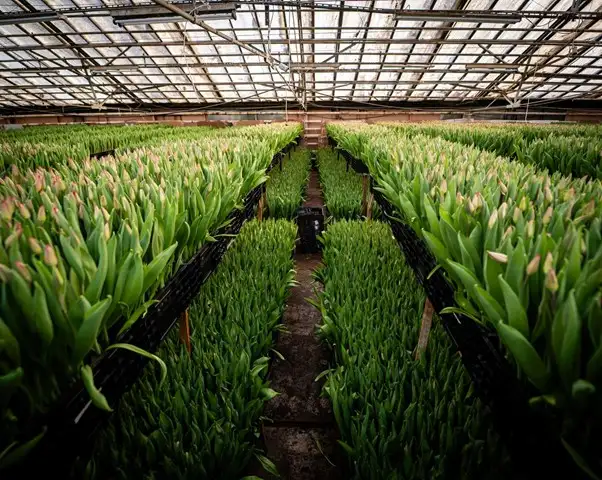
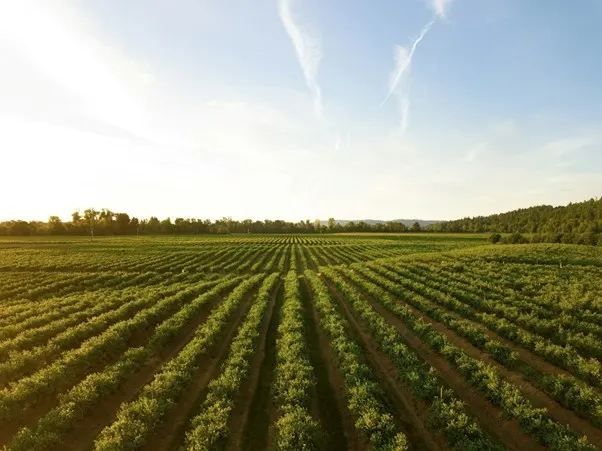
Unpredictable weather and supply chain delays make open-field farming riskier every season. You face sudden frosts, intense heatwaves, and shifting buyer expectations that can wipe out months of hard work in a single weekend.
Moving your crops under cover gives you direct control over your growing environment and your bottom line. By investing in durable growing structures, you can extend your harvest windows, protect delicate plants, and build a more reliable business.
Why are commercial farms expanding protected agriculture?
Retail buyers, restaurants, and local grocers want fresh produce twelve months out of the year. When you rely solely on outdoor fields, you miss out on lucrative early-spring and late-fall sales windows. Protected structures let you plant earlier and harvest longer, capturing higher prices when local supply is tight.
Beyond market demand, extreme weather threatens outdoor yields across North America. Heavy hail, unseasonal freezes, and prolonged droughts ruin crop quality and disrupt delivery contracts. Sheltering your plants behind polycarbonate or polyethylene glazing shields your investment from harsh elements while reducing pest pressure.
Financial returns from controlled environments continue to attract serious capital from growers of all sizes. Research from Ohio State University Extension shows that well-managed, large-scale controlled environment operations can generate around $3.45 million in annual net returns. While smaller farms operate at different scales, the core math remains consistent: higher yields per square foot drive stronger profit margins.
What role do domestic manufacturers play in farm expansion?
Choosing the right partner for your infrastructure upgrade determines how well your structures hold up over decades of heavy snow and high winds. Sourcing locally built equipment prevents costly shipping delays and simplifies replacement part orders during peak growing months. Working with experienced U.S. commercial greenhouse manufacturers like Rimol Greenhouse Systems gives you access to turnkey grower solutions engineered specifically for North American climate zones. You benefit from structural designs tested against regional wind and snow loads rather than generic imports.
Strong domestic engineering also means better customization for your specific crop layout. Whether you run a bustling retail garden center or a wholesale vegetable operation, tailored ventilation, heating, and benching setups save your crew hours of daily labor.
How does NRCS funding lower high-tunnel costs?
Upfront capital costs often hold growers back from adding new square footage. Federal conservation programs help bridge that financial gap so you can expand without draining your operating reserves.
Navigating EQIP grants for seasonal structures
The Natural Resources Conservation Service offers financial assistance through the Environmental Quality Incentives Program to help farmers install seasonal high tunnels. These grants reimburse a substantial portion of your structure purchase, reducing your out-of-pocket expense and speeding up your return on investment.
Understanding strict eligibility guidelines
Before submitting an application, you need to verify that your planned purchase matches federal program rules. NRCS funding applies strictly to manufactured seasonal high tunnel kits rather than permanently heated, climate-controlled greenhouses. You must also build the tunnel directly over native soil rather than concrete slabs or raised hydroponic tables.
- Verify soil requirements: Plan to plant crops directly into the ground inside your funded structure to meet conservation standards.
- Select approved kit designs: Choose a pre-engineered, manufactured tunnel package rather than a custom-built permanent greenhouse.
- Apply before purchasing: Wait for official contract approval from your local service center before buying materials or breaking ground.
Which growing structure fits your production goals?
Every commercial operation has distinct space, budget, and climate control requirements. Comparing the three primary protected-cultivation options helps you match your facility to your crop mix.
Gutter-connected commercial greenhouses
Gutter-connected greenhouses join multiple bays together under a single shared roof system. You gain massive, unobstructed interior floor space that simplifies automated irrigation, overhead boom watering, and climate management. These structures suit large-scale nurseries, floriculture operations, and year-round hydroponic growers needing tight temperature control.
Freestanding high tunnels
Freestanding high tunnels use curved steel hoops covered with heavy-duty greenhouse plastic to trap solar heat. You rely on passive roll-up sidewalls and end-wall vents for airflow rather than expensive mechanical cooling systems. Small to mid-sized vegetable farms favor these units for rapid installation and affordable season extension.
Commercial shade structures
Shade houses protect heat-sensitive crops, nursery stock, and perennials from scorching summer sun and drying winds. Woven shade cloth reduces ambient temperatures underneath the canopy while lowering your daily irrigation needs. Retail garden centers frequently use these open-air structures to keep plants healthy and shoppers comfortable during summer heatwaves.
What maintenance habits protect your investment?
Routine inspections keep your growing structures operating safely and efficiently through every season. Checking film tension, tightening structural bolts, and clearing roof gutters before winter storms arrive prevents catastrophic weather damage.
Clean glazing also maximizes sunlight transmission, directly boosting plant photosynthesis and yield quality. Washing dust, pollen, and algae off your roof panels each spring and fall keeps
Strategic investment in durable, domestically manufactured growing structures gives your agricultural business the stability needed to thrive in volatile markets. By pairing smart structure selection with available conservation funding, you can protect your harvests from extreme weather, satisfy local buyers every month of the year, and build lasting profitability for your team.