
Rising demand for high-efficiency heat pumps is reshaping residential HVAC services
Author:
Intellectual Market Insights Research
Published Date:
26 Nov 2026
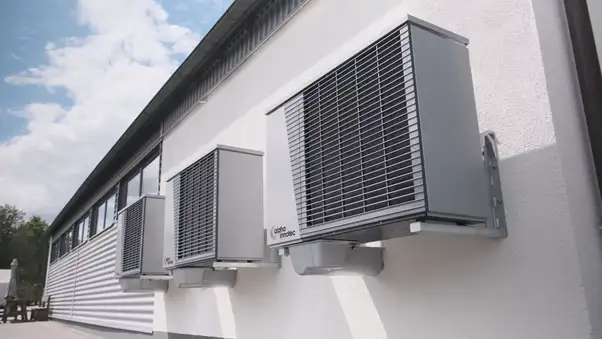
Growing adoption of heat pumps, ductless mini-splits, and preventive service plans is transforming residential heating and cooling demand across markets. Homeowner interest in lower utility bills and year-round comfort is driving a major shift in home climate control.
When your utility bills climb every winter and summer, you start looking closely at the aging equipment in your basement or utility closet. Most older systems waste energy by burning fuel at full blast or cycling on and off constantly, leaving you with uneven temperatures and high monthly costs.
Switching to modern electric climate technology solves these daily comfort headaches while trimming your household expenses. By pairing high-efficiency equipment with proactive upkeep, you can turn a reactive repair cycle into reliable, year-round home performance.
Why are homeowners moving away from traditional single-fuel furnaces?
Traditional gas and oil furnaces only perform half the job of keeping your home comfortable, forcing you to rely on a separate air conditioner during warmer months. Modern heat pumps transfer heat rather than generating it through combustion, giving you both heating and cooling from a single electric unit. This dual-purpose efficiency cuts energy consumption significantly and eliminates the need to maintain two entirely separate mechanical systems.
Residential buyers are driving the vast majority of this market expansion as electrification incentives and long-term operating savings make upgrading an easy choice. According to Grand View Research, homeowners accounted for more than 81% of total heat pump market share in 2025. When your old furnace nears the end of its lifespan, replacing it with an electric heat pump or a dual-fuel hybrid setup future-proofs your property against volatile fossil fuel prices.
How do hybrid systems balance extreme weather performance?
If you live in a region with freezing winter nights, you might worry about whether an all-electric system can keep up when temperatures plunge. Hybrid heating setups solve this problem by pairing an electric heat pump with a high-efficiency gas furnace. Your smart thermostat automatically switches between the two energy sources based on outdoor temperatures and utility rates.
During mild spring and autumn days, the heat pump handles your heating and cooling needs at peak efficiency. When a deep freeze hits, the backup furnace kicks in to deliver rapid warmth without straining the electric compressor. You get the best of both worlds without sacrificing indoor comfort on the coldest days of the year.
What makes zoned ductless mini-splits so popular for home upgrades?
Extending central ductwork into a garage conversion, sunroom, or older home addition often costs thousands of dollars and disrupts your living space. Ductless mini-splits bypass this construction headache by connecting sleek wall-mounted indoor air handlers directly to an outdoor condenser through a tiny conduit. You gain precise temperature control in individual rooms without losing conditioned air through leaky attic ducts.
Home improvement budgets increasingly reflect this preference for targeted comfort and lower energy waste. Market Research Future projects the residential heat pump sector to more than double in value between 2025 and 2035, fueled heavily by upgrades to flexible, high-efficiency systems. Installing zoned units lets you cool your home office during the day while turning down the conditioning in unused bedrooms.
Why is indoor air quality now part of every HVAC conversation?
Sealing your home tightly to save energy keeps conditioned air inside, which means dust, allergens, and excess humidity can get trapped indoors too. Modern HVAC upgrades frequently bundle whole-home filtration, UV air purifiers, and smart dehumidifiers directly into the new equipment installation. Addressing airflow and air cleanliness together protects your family's respiratory health while keeping internal system components free of dust buildup.
How do certified regional contractors stand out in a changing market?
Installing complex variable-speed heat pumps requires far more technical precision than swapping out a basic single-stage furnace. Folks behind Pure Air Cooling & Heating suggest that working with experienced local specialists gives you access to factory-trained technicians who size and calibrate equipment specifically for your home's layout. Top regional providers maintain diamond-level manufacturer partnerships that unlock extended equipment warranties and priority access to replacement parts.
Beyond the initial installation, leading contractors differentiate themselves through rapid emergency diagnostics and structured preventive maintenance. Scheduling seasonal tune-ups catches minor refrigerant leaks or sensor issues before they turn into expensive mid-winter breakdowns.
What should you look for in a residential maintenance plan?
Choosing the right service agreement keeps your warranty valid and protects your equipment investment for decades. Look for plans that include these practical benefits:
- Biannual system inspections: Technicians clean coils, check refrigerant pressures, and test electrical connections every spring and fall.
- Priority emergency scheduling: Plan members move to the front of the line when extreme weather causes sudden equipment failures.
- Discounted repair rates: Routine agreements typically lower the cost of replacement parts and diagnostic labor if an unexpected issue arises.
- Airflow and filter checks: Regular cleanings keep static pressure low so your variable-speed fans run quietly and efficiently.
Pairing high-efficiency heat pumps or ductless mini-splits with a trusted service partner transforms how your home handles every season. When you invest in smart equipment sizing, cleaner indoor air, and routine preventive care, you enjoy lower monthly utility bills and dependable comfort for years to come.