
5 Signs Termites Are Quietly Damaging Your Home Right Now
Author:
Intellectual Market Insights Research
Published Date:
24 Sep 2026
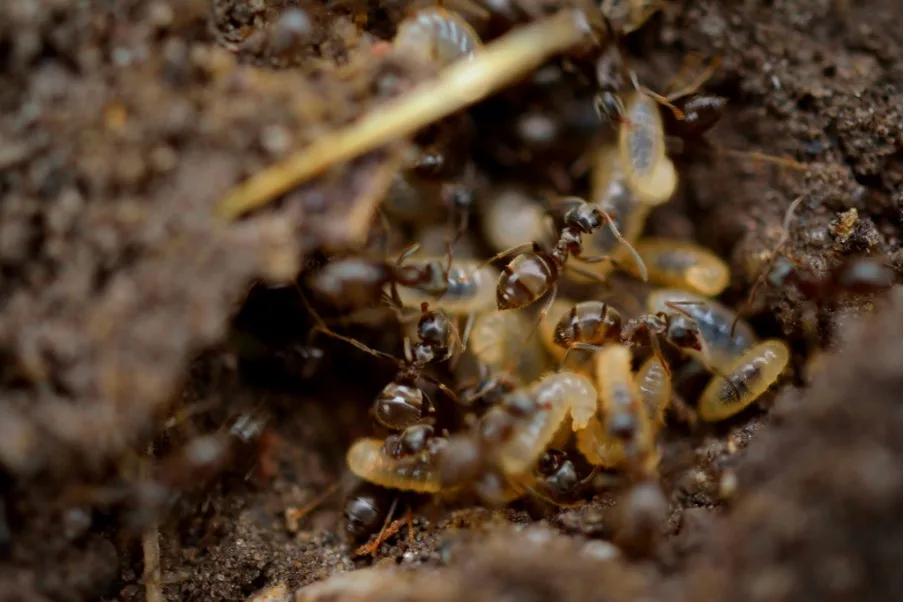
Wood makes up a large portion of a building project. Large wooden beams hold everything together within the walls, under the floors, and up in the ceiling. Since these pieces of wood stay completely hidden behind drywall and paint, small insects sometimes eat them in the dark.
When termites establish access to a structure, worker termites can feed on wood and other cellulose-containing materials within or around the property. Since the eating happens completely out of sight, homeowners can easily miss the damage until it’s too late. This damage could cost thousands in repair costs. In the worst cases, property owners might have to reinvest in new installations after a series of thorough extermination procedures.
Although you would hardly ever see the insects walking across the room in broad daylight, they leave hidden clues to indicate their presence. If you notice any of these signs, they may indicate termite activity and warrant further inspection.
1. Hard Dirt Tunnels on the Foundation
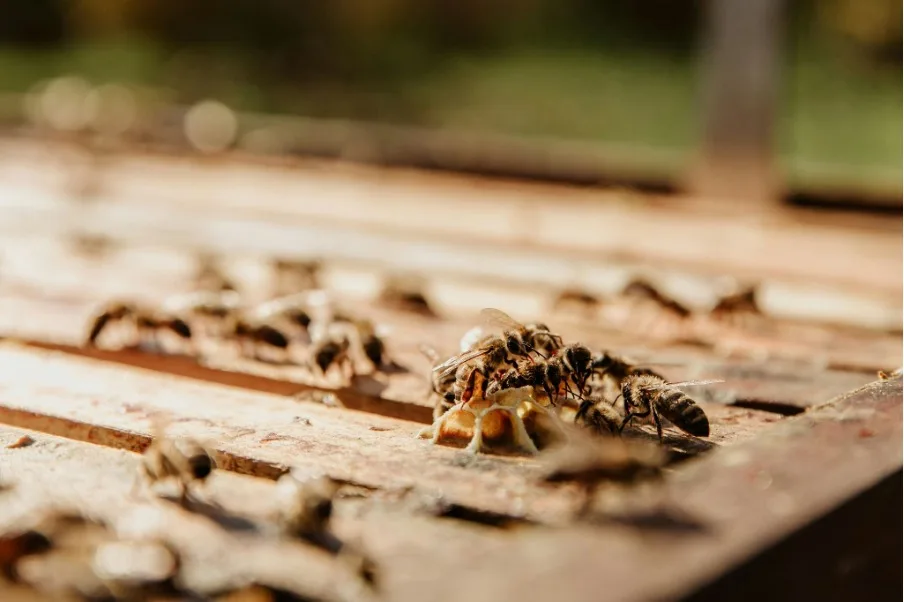
Some of the most destructive bugs live deep beneath the surface. However, their bodies dry out, and they die very quickly under limited moisture or when exposed to sunshine. Subterranean termites depend on moisture and protection from drying conditions, which is one reason they build shelter tubes when traveling above ground.
For that reason, worker insects build long, pencil-thin tubes made of mud, saliva, and wood debris when they invade. They also skillfully pack the wet dirt tightly against the concrete foundation of the house, creating a closed tunnel. These mud tubes are built straight up the concrete walls from the ground to the wooden floorboards.
If you find thin, crusty lines of dried mud running up the outside of a house or inside a dark basement, it may indicate termite activity and should be inspected to determine whether the colony is still active. Winchester termite exterminators will make sure the infestation doesn’t spread so that your current and subsequent wood installations are safe.
2. Doors and Windows That Get Stuck
People often blame the weather for wooden doors and windows getting stuck in their frames. While weather changes might be a factor, it usually happens when wood expands and contracts during hot seasons. However, when the doors and windows no longer close properly during dry weather, insects might be on the rampage.
Insects chewing wood from the inside change the structure of the house. Termite damage can weaken wooden components and, in some cases, contribute to changes in how doors or windows fit. However, sticking doors and windows can also result from moisture, settling, or other structural issues, so this sign alone does not confirm termite activity.
As the wooden frames keep changing shape, doors no longer fit their original spaces. If you keep noticing sudden window jams or heavy door scraping against the floor when opening it, extra moisture and insect activity might be the cause.
3. Piles of Dropped Wings Near Windows
During swarming events, winged reproductive termites called alates leave established colonies to mate and establish new colonies. Swarming often occurs when temperature, moisture, and other environmental conditions are favorable, although timing varies by species and location.
After landing, termite alates shed their wings as they prepare to pair off and establish new colonies. The presence of discarded wings near windows or doors can therefore be a sign of termite swarming activity.
Swarming termites may be attracted to light, which can lead them toward windows, doors, and other illuminated areas. Whenever they land near doors and windows, they leave piles of snapped wings on the ledges. Finding piles of discarded wings can be a sign of a nearby or established termite colony and is worth investigating.
4. Wood That Sounds Empty When Tapped
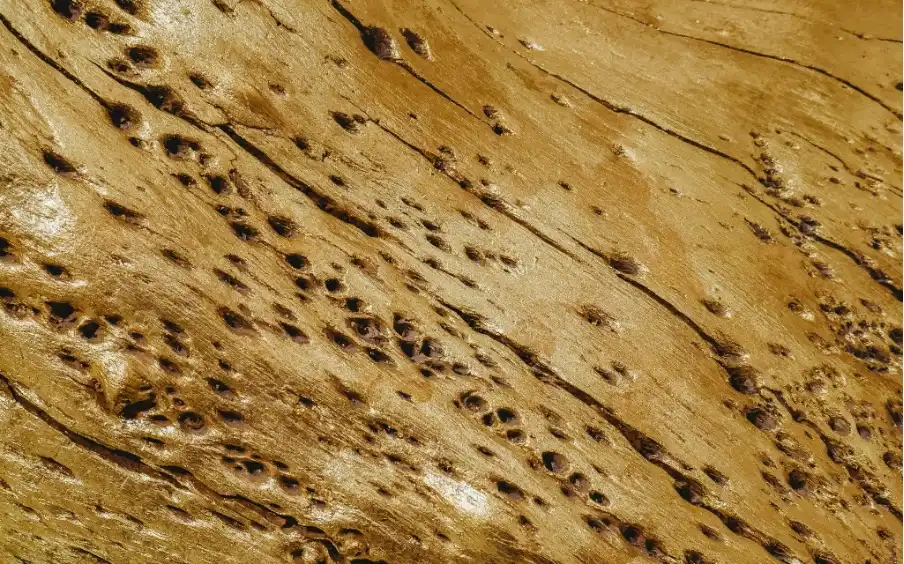
Termites can feed within wooden components while leaving portions of the outer surface relatively intact. This can make internal damage difficult to notice during a visual inspection. To anyone looking from the outside, the baseboards and walls look completely normal.
Meanwhile, the wood now has long tunnels carved through its grain, losing its solid core completely. When a wall or wooden floor goes through this level of damage, you will no longer hear a firm thud when you knock on it. Instead, it produces a light, papery, hollow sound.
In the worst cases, the surface will easily break if you only press a finger against it. A hollow sound may indicate internal deterioration, although other forms of wood damage can produce similar signs.
5. Tiny Piles of Bug Dirt (Frass)
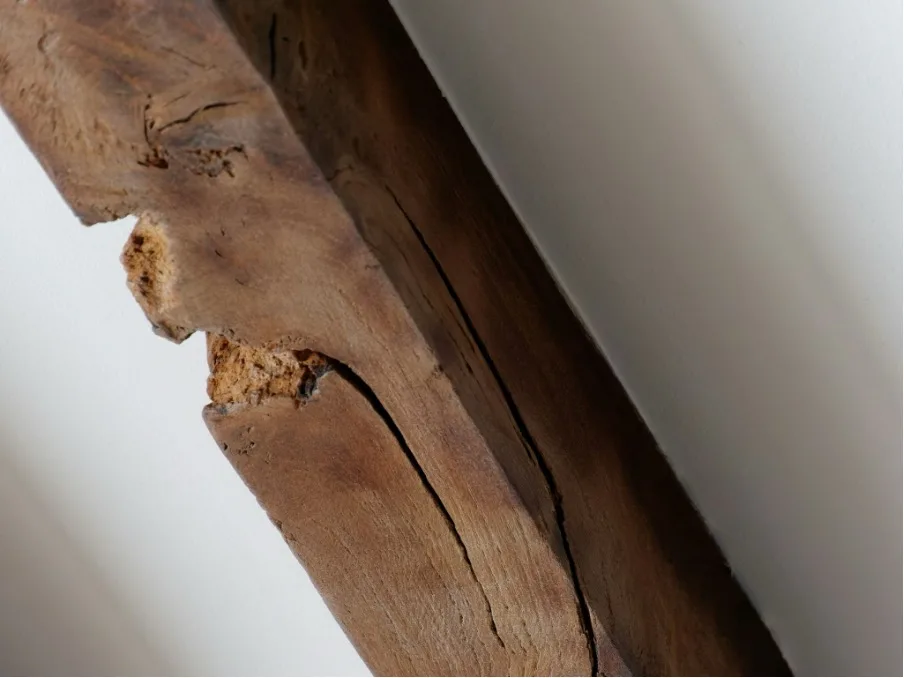
For some species, there’s no better place to call home than inside dry wood. Instead of mud tubes, these insects spend their entire lifespans hiding inside wooden attic beams, bedroom furniture, or wall frames.
They drop waste, or frass, regularly each time they chew up and swallow dry wood. The waste is distinct: it looks like tiny, hard pellets of wood, almost like coarse sand or coffee grounds.
If you find what looks like small, mysterious piles of sawdust or salt and pepper around, the wood directly above is probably being eaten. It also shows that the insects are constantly cleaning the hole and dropping the waste straight down.
The Bottomline
Wood is a durable building material, but prolonged termite activity can weaken structural components and cause costly damage if left untreated.
Spraying insecticides on the surface won’t make a difference, because the main nest is hidden deep away. To stop the chewing and protect the house from falling apart, you must involve the professionals.
Engaging termite exterminators can help you stop the pest attack and avoid DIY errors that only make matters worse. Protect the wood from being feasted on and keep your house from falling apart: call Winchester termite exterminators today.