
5 Signs Your Lawn Could Benefit From Local Aeration Services
Author:
Intellectual Market Insights Research
Published Date:
28 Sep 2026
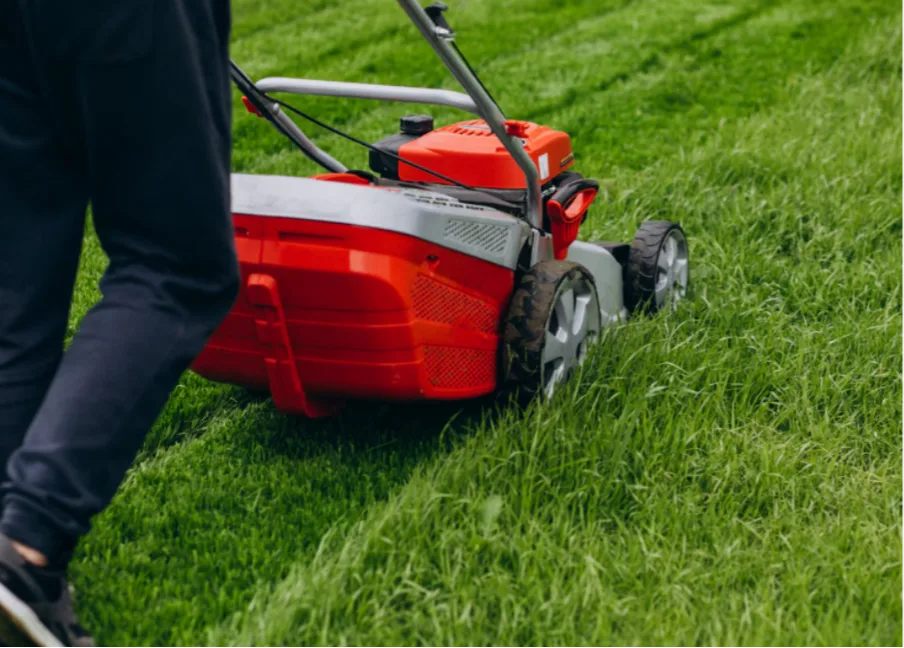
Your lawn may receive regular care but still look thin, weak, or uneven. Sometimes, the cause lies below the surface rather than in your maintenance routine. Compacted soil can limit the movement of air, water, and nutrients, which can affect grass growth.
Core aeration can help relieve soil compaction. During the process, small plugs of soil are removed from the lawn, creating openings below the surface. These openings can improve soil structure and support healthier root development, especially in areas where turf looks stressed or sparse.
Recognizing the signs of compacted soil can help you determine when your lawn may benefit from aeration. Changes in water absorption, soil texture, and grass growth can provide useful clues. Here are five signs to look for in your lawn.
1. Water Pools on Lawn
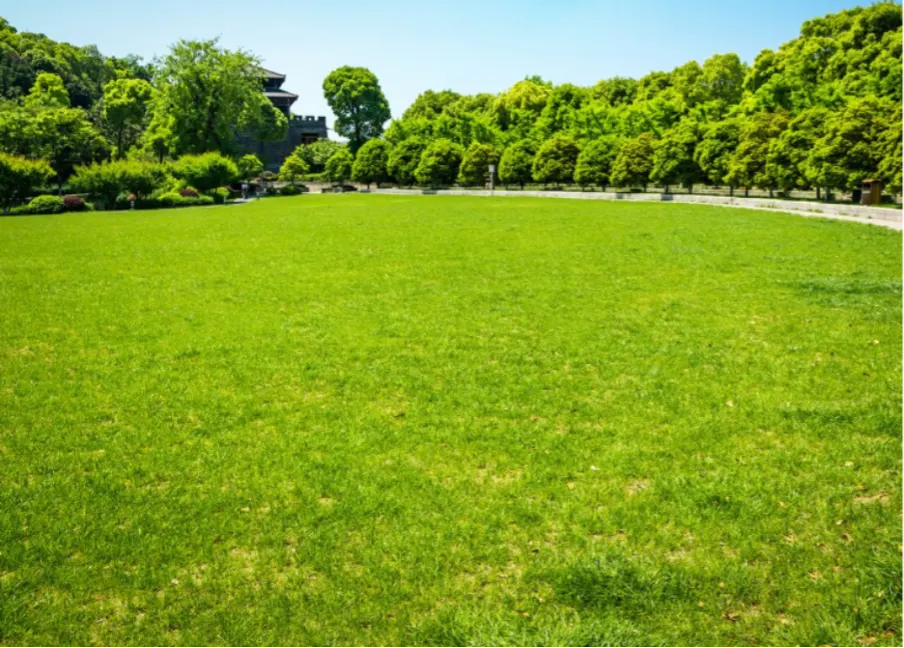
Does water sit on your lawn after heavy rain or irrigation rather than soaking into the soil? Slow water movement can indicate that compacted soil is limiting how moisture travels through the ground.
Some areas may stay wet longer than others, particularly after storms or extended watering. Heavy rain, frequent foot traffic, and certain soil conditions can all contribute to compaction, affecting how efficiently water moves through the soil.
Persistent wet spots can also make some lawn areas feel softer underfoot and may affect how evenly grass grows across the yard. If pooling remains common, you can work with local aeration services to assess whether compacted soil is contributing to the problem.
A professional can also help distinguish soil compaction from other drainage concerns, giving you a clearer idea of which lawn care step fits your yard.
2. Soil Feels Hard Underfoot
Walk across your lawn and notice how the ground feels. If the surface feels unusually firm, especially when the soil is slightly moist, compacted soil may be limiting the open space roots use to grow.
Foot traffic is a common cause of soil compaction. Areas used by people, pets, or outdoor activities often become firmer than other parts of the yard, while construction, heavy equipment, and repeated pressure in one location can also contribute to compaction.
You may also notice that firm areas have a different texture compared with softer sections of the lawn. These changes can help you identify areas where soil conditions may benefit from closer attention.
Core aeration removes small plugs from the ground, creating openings that can support better soil conditions. A firm surface can signal that your lawn may benefit from aeration alongside regular mowing and watering.
3. Grass Looks Thin or Bare
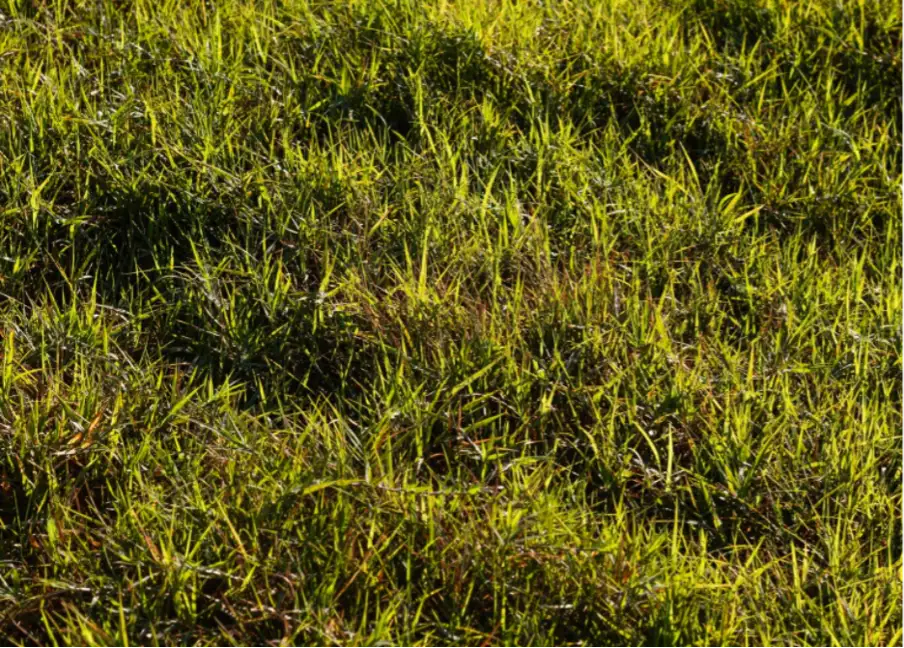
Thin grass and bare patches can make your lawn look uneven, particularly when surrounding areas appear healthy. These spots may develop when roots struggle to grow through dense soil, while several other lawn conditions can also affect turf density.
Sparse growth can become more noticeable after seasonal changes or periods of heavy use. Looking closely at the soil beneath these areas can help you understand the conditions affecting grass coverage.
Pests, disease, shade, poor watering, and other lawn conditions can contribute to sparse turf. Identifying the cause helps you choose the right care for healthy new grass growth.
When soil conditions contribute to thin areas, aeration can prepare the lawn for overseeding. The openings created during aeration give seed better contact with the soil and can support establishment as new grass begins to grow.
4. Grass Shows Weak Growth Despite Care
A lawn that remains pale, slow-growing, or slow to recover despite regular watering and fertilizing can signal soil conditions that need attention. When your maintenance routine is consistent, grass performance can provide useful clues about what is happening below the surface.
Dense soil can limit how effectively roots use available moisture and nutrients, which can affect overall grass health. Signs such as pale color, slow growth, and gradual recovery can help you recognize when the soil may be affecting your lawn.
Comparing stronger and weaker sections of the same lawn can help you spot patterns and understand whether soil conditions may be influencing grass performance. These differences can also help guide your approach to lawn care.
A consistent lawn care routine gives grass the support it needs for healthy growth, while aeration can address soil conditions that affect root development. Adding aeration to your lawn care plan can help your watering and fertilizing efforts work alongside a healthier soil environment.
5. High-Traffic Areas Look Worn
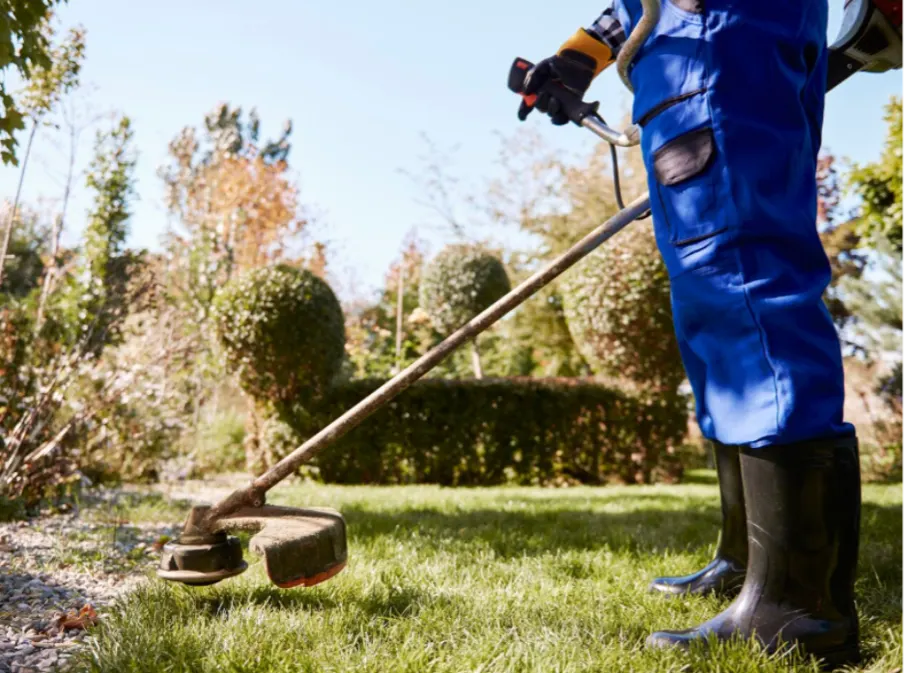
Frequent activity can place extra pressure on certain parts of your lawn. Children playing, pets running, outdoor gatherings, and regular walking can gradually affect how these sections look and perform.
Look for worn patterns near gates, patios, play areas, walkways, or other commonly used spots. These areas may appear flattened or show thinner turf than the rest of the lawn, even when surrounding grass remains healthy.
Aeration can help relieve compaction caused by repeated use. Removing small soil cores creates openings in high-traffic areas, giving roots more room to grow and supporting recovery in heavily used sections.
Bottom Line
Standing water, hard soil, thin patches, slow growth despite regular care, and worn high-traffic areas can all signal soil compaction. Looking at these signs alongside your soil condition, grass type, and lawn care routine can help you identify suitable care for your lawn.
When compacted soil affects water movement, nutrient use, and root development, core aeration can improve the growing environment and support healthier turf over time. Pairing aeration with proper watering, fertilizing, and regular lawn care can help maintain stronger, more resilient grass.