
Step-by-Step Instructions For Setting Up Demo And Live Forex Trading Accounts
Author:
Intellectual Market Insights Research
Published Date:
07 Oct 2026
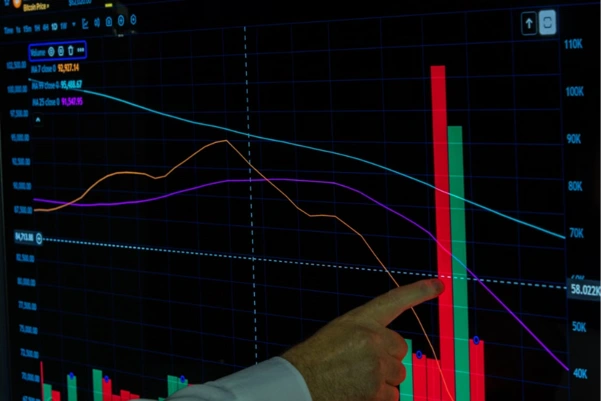
Forex trading involves real money, and therefore, familiarizing oneself with the trading procedure prior to making a live order can make the account setup a little easier to handle. The preparation begins with the selection of an account which corresponds to the level of trading.
A demo account is a convenient way to get to know the platform, test orders, and learn the ins and outs with virtual money, which is available to beginners. Having those basics in mind, one can proceed to the next stage, when a live account is opened, verification is done, and real money is ready to be traded.
But what does each stage involve?
The following are five steps to set up and navigate through both types of accounts.
1. Choose the Right Forex Account

Begin by determining whether you should have a demo account, a live account, or both. A demo account is provided with virtual money, which allows you to navigate the platform and practice. A live account, on the other hand, uses real money and carries market risk.
After establishing the type of account that fits you, make comparisons and then register. Examine the spreads, platforms, minimum deposits, commissions, currencies supported and risk controls. In case of any confusion, you can refer to the help center to get more information on how to open an account.
In case you are new to forex, a demo account will provide you with a realistic learning experience before you transition to live trading.
2. Create Your Demo Trading Account
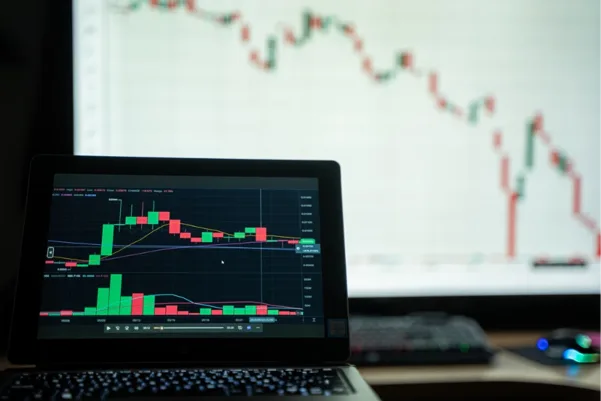
Once you choose the demo option, create the account and explore the platform. Go to the registration page and enter the contact and login details required.
After registering, you can navigate through the interface. Figure out the tools such as the chart, order window, account balance, trade history, and risk management tools. Then simulate opening and closing trades using virtual funds on the site.
Make the objective easy: Get used to the platform and then worry about good results. This is particularly applicable in a market as large and vibrant as forex, which in April 2025 had an average of 9.6 trillion in daily turnover.
3. Test Your Trading Routine
With the platform basics in place, use the demo account to test a simple trading routine. Decide which currency pairs to follow, how much risk fits your plan, and where to close a position if the market moves against you.
Keep a simple journal.
Record:
- Why the trade was opened
- The position size and order type
- Where the exit was planned
- What happened afterward
Reviewing these notes can reveal habits that are easy to miss. You may notice frequent entries, oversized positions, or unclear decisions.
Even so, demo trading does not perfectly reproduce live conditions. Market movement, execution, spreads, and emotions can differ when money is involved. The goal is to understand your process and identify gaps before moving those habits into a live account.
4. Open and Verify Your Live Account

After practicing in your demo account, open and authenticate your live account. Choose the live account option and fill out the application. You might be required to provide identification, address, financial, and supporting documents depending on the broker and jurisdiction.
Read the disclosures and account agreement before depositing money. Check fees, withdrawal policies, leverage limits, margin requirements, and the risks involved in trading. The National Futures Association also offers resources to verify the registration, membership, disciplinary history and financial information of a firm.
After approval, deposit the account using a payment option available. Retain the deposit in your personal risk plan. When the money is ready, plan to make the first live trade.
5. Place Your First Live Forex Trade
Slow down and examine every element of the trade before being the first to get into the live position. Check the currency pair, current price, type of order, size of position, and the intended exit. Then verify if the trade is in line with the rules that were tested in the demo stage.
Once the trade has been placed, stick to the plan and do not respond to each price change. Simultaneously, document entries, exits, expenditure, and outcomes. In the long run, these notes can be used to define trends and areas of concern.
Most importantly, keep in mind that forex trading is highly risky. Disciplined risk management is practiced in the live account, not a means to ensure high returns.
Conclusion
The steps become more transparent when the steps have definite purposes. Begin by selecting the type of account which best fits your experience. Then use the demo platform to learn about the mechanics and test a trading routine. Then, complete the live-account application, confirm the necessary information, consider the costs and risks, and finance the account attentively. Lastly, have a clear entry, size, and exit strategy for the first live trade.
By so doing, the gradual approach will make the transition between practice and actual market trading a more structured process. It also maintains preparation, risk awareness, and consistency as the heart of every decision during the transition between demo and live trading.