
Stricter deforestation regulations are forcing builders to verify timber origins
Author:
Intellectual Market Insights Research
Published Date:
21 Nov 2026
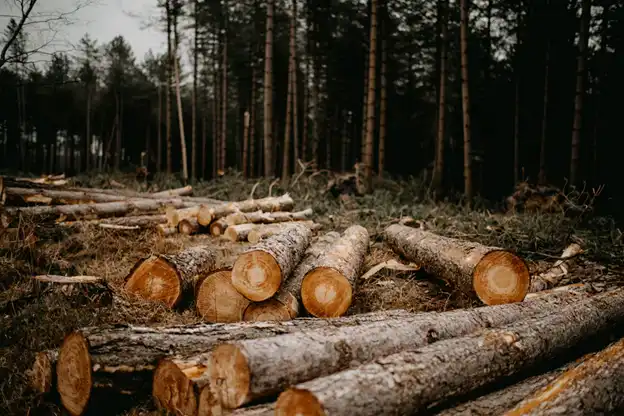
Global builders and manufacturers face tightening deforestation rules, accelerating demand for verified, responsibly harvested timber supply chains.
Tightening trade laws are changing how your business buys and builds with timber. Under rules like the European Union Deforestation Regulation (EUDR) and the U.S. Lacey Act, regulators now require proof that wood products did not contribute to forest loss or illegal logging.
Treating timber traceability as a routine back-office task can stall your shipments at the border. Building transparent, certified supply chains protects your operations from regulatory penalties while keeping your projects on schedule.
Why are global timber laws reshaping your supply chain?
Governments across major construction markets are closing loopholes that once allowed unverified timber into commercial projects. Regulators expect importers and builders to map their wood back to the exact harvest plot and confirm the land stayed free of deforestation after 2020.
To help businesses evaluate land-use history, the European Commission offers open access to the EU Observatory on deforestation and forest degradation, a digital platform that tracks shifts in global tree cover and the forces behind forest loss. Using satellite monitoring tools alongside supplier records helps your compliance team spot high-risk regions before you sign a purchase order.
What role do certified hardwoods play in global compliance?
Sourcing tropical and temperate hardwoods for international projects demands clear proof that every log comes from legally managed concessions. Working directly with verified supply chain partners gives your procurement team reliable access to sustainable wood backed by audited chain-of-custody records. You gain full visibility from the forest floor to the finishing mill, which protects your firm from customs delays and costly shipment rejections. Meeting international standards becomes part of your standard purchasing workflow rather than a last-minute scramble before delivery.
Third-party certifications from bodies like the Forest Stewardship Council (FSC) and the Programme for the Endorsement of Forest Certification (PEFC) verify that forest managers protect biodiversity and respect local land rights. When you specify certified hardwoods on commercial bids, you satisfy strict green-building codes and public procurement mandates at the same time.
How do digital tracking and certifications simplify due diligence?
Manual spreadsheets and paper invoices rarely survive modern customs audits when shipments cross multiple borders. Digital traceability platforms attach GPS coordinates, harvest dates, and species data directly to each batch of lumber so your team can verify compliance in seconds.
PEFC outlines a clear framework in its updated EUDR Due Diligence System standard that guides your team through gathering harvest records, evaluating sourcing risks, and resolving potential compliance gaps before shipments move. Pairing digital ledger systems with recognized forest certifications cuts administrative overhead and reduces human error across multi-tier supplier networks.
Building a practical verification workflow
Your procurement team can standardize compliance checks across every supplier by following a repeatable sequence.
Step 1: Collect plot-level geolocation data
Request exact polygon or coordinate files from your primary mills before approving new timber contracts.
Step 2: Cross-check chain-of-custody certificates
Confirm that every intermediary processor holds an active FSC or PEFC certificate covering the specific wood species you plan to purchase.
Why does circular sawmill manufacturing cut operational waste?
Modern sawmills are moving away from linear production models that discard bark, slabs, and trimmings as low-value byproducts. Circular manufacturing treats every part of the harvested log as a usable resource, turning offcuts into engineered panels, finger-jointed lumber, and wood pellets.
Maximizing yield from each tree means your suppliers harvest fewer hectares to deliver the same volume of structural timber. Your business benefits from more consistent material pricing while supporting mills that squeeze maximum value out of responsibly managed forests.
How can wood-waste cogeneration shrink your industrial carbon footprint?
Sawdust and wood chips left over from milling carry substantial stored energy that smart facilities capture on site. Through wood-waste cogeneration, mills burn clean organic residues in high-efficiency boilers to produce both electricity and thermal heat for kiln drying.
Replacing fossil fuels with renewable biomass power lowers the embodied carbon of the finished lumber arriving at your job site. When your clients ask for Environmental Product Declarations, timber processed in cogeneration-powered mills gives your bids a measurable sustainability edge.
How do you meet commercial building demand without harming forests?
Large-scale commercial developments require steady volumes of structural timber, flooring, and architectural millwork. You can meet tight construction timelines without pressuring fragile forest ecosystems by building long-term sourcing habits:
- Diversify approved timber species: Specify lesser-known certified hardwoods alongside traditional favorites to prevent overharvesting of single tree varieties.
- Lock in multi-year contracts: Commit to predictable volume agreements so forest managers can plan selective harvests and reforestation cycles responsibly.
- Audit secondary component suppliers: Verify that doors, cabinetry, and laminated beams carry the same origin documentation as raw framing lumber.
- Prioritize regenerative forest concessions: Partner with operators that maintain protected conservation zones and monitor wildlife recovery after selective logging.
Taking these steps turns responsible forestry into a reliable competitive advantage for your construction projects. You build stronger relationships with eco-conscious developers while protecting native forest habitats.
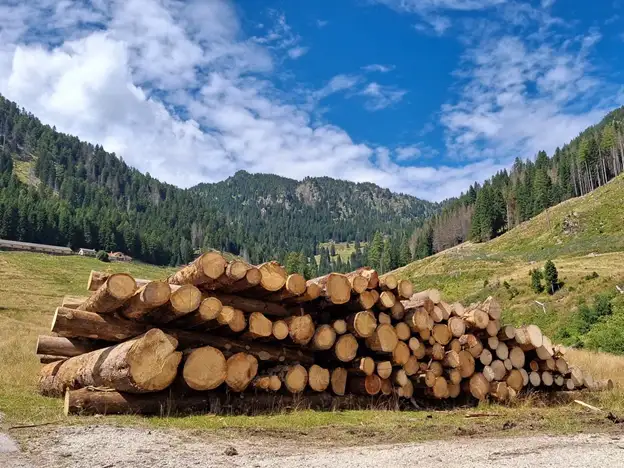
Verified origin documentation and certified forestry operations are becoming baseline requirements for international building supply chains. When you align your procurement strategy with transparent suppliers, digital tracking tools, and circular mills, you safeguard your business against regulatory disruptions while helping healthy forests thrive for decades.