
What Makes Sodium Alginate Powder Useful in Modern Food Formulation?
Author:
Intellectual Market Insights Research
Published Date:
29 Sep 2026
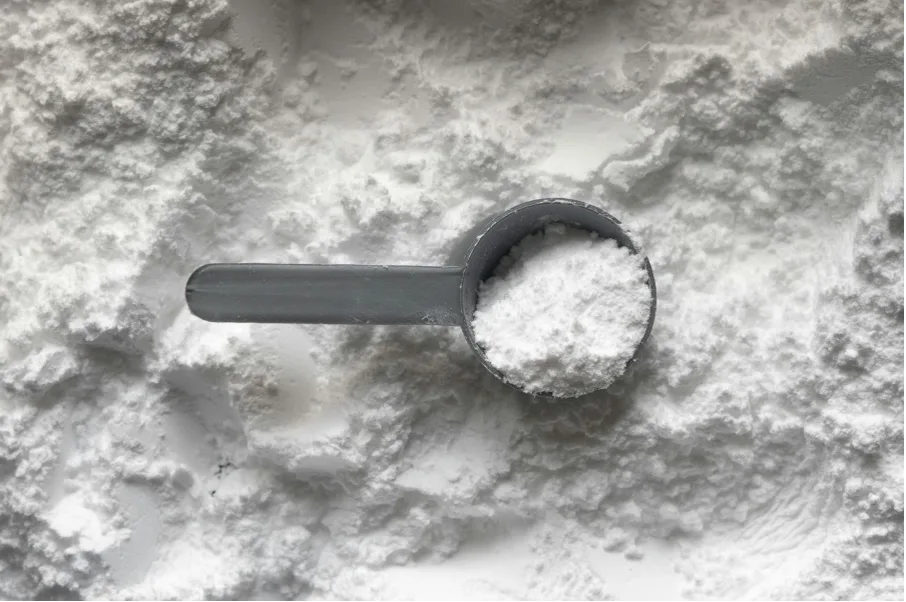
Gelatin is the most common traditional gelling agent widely used in the food and pharmaceutical industries. However, it has a major weakness: it melts back into a liquid under high temperatures, especially inside ovens. To keep up with modern creative recipes and formulas, heat-resistant alternatives like sodium alginate have become in high demand.
Sodium alginate is a natural substance extracted from wild brown seaweeds like giant kelp. It outperforms most traditional ingredients that require either high heat or low temperatures to form a gel. For example, gelatin must be chilled for hours, while ingredients like agar-agar require boiling temperatures to gel properly.
On European ingredient labels, food brands list it under the additive code E401. It mixes easily into warm or cold water and thickens food without leaving lumps behind.
Learning how the gelling process works will help you understand why this ingredient appears in many food labels on grocery aisle shelves. Let’s explore five crucial reasons why sodium alginate is so heavily used in the food processing industry today.
1. Turning Liquids Into Gels Without Heating
Gelation is one of the food industry’s greatest inventions. It holds food molecules together to keep them from falling apart, whether they are hot or cold. Most commonly used gel powders depend on extreme temperature shifts. For example, the water must be at least near boiling point before certain powders can turn to gel.
With sodium alginate, food makers can turn liquids into gel without any boiling or storing in the fridge for hours. When you dissolve sodium alginate powder in plain water, its sugar chains float apart freely and become firm once they touch dissolved calcium.
Calcium ions carry a double positive charge that acts like a bridge between adjacent alginate chains. The calcium snaps the chains together into a firm, three-dimensional grid, turning the liquid into a solid gel instantly.
Since this reaction requires no heat, chefs and food factories can turn fresh fruit juices, herbal extracts, or temperature-sensitive liquids into gels without worrying about boiling away their original flavors.
2. Precise Spherification and Reverse Spherification
When sodium alginate and calcium come together, they produce an instant reaction called spherification. Food manufacturers apply this technique in making liquid-filled spheres.
This process involves mixing sodium alginate directly into a liquid, such as mango juice. The food producer then drips that juice into water containing dissolved calcium chloride or calcium lactate.
Once a droplet touches the calcium in water, a thin gel skin forms around the outside of the liquid drop. The inside stays entirely liquid, while the outer skin holds the drop in a clean spherical shape.
When someone eats the sphere, the thin membrane pops open in their mouth, releasing a splash of juice. This also helped engineer reverse spherification. In reverse spherification, the process involves dropping calcium-rich liquids, such as milk, yogurt, or alcohol mixes, into a sodium alginate bath instead.
3. Keeping Fillings Intact Inside Hot Ovens
Traditional gels like gelatin will crumble under intense heat. When you add it to baked foods like pies, the fillings will likely become watery and spill out of the crust into the oven.
However, gels made with sodium alginate and calcium won’t melt in the same manner after they become firm. The bond between these two solutions remains intact, keeping the food together under intense heat.
Being able to withstand heat makes sodium alginate essential for factory-baked pastries, fruit pies, and toaster pastries. The jam or fruit filling will maintain its shape and thickness during baking without running or leaking through the dough.
4. Thickening Sauces and Preventing Oil Separation
powder thickens liquid food effortlessly. Its long polymer chains in water increase the overall thickness of sauces, syrups, and salad dressings.
This extra thickness holds oil and vinegar together in food dressings. Heavy spices will also float freely in sauces without settling at the bottom of bottles for months.
In ice cream and frozen yogurts, sodium alginate binds free water molecules tightly. This stops water from forming large ice crystals during temperature shifts in freezers, keeping the frozen dessert creamy and smooth over time.
5. Vegan Alternative to Gelatin
Modern consumers intentionally look for plant-based and vegan alternatives to traditional ingredients. People battling certain health issues rely on purely animal product-free diets, and this additive may help produce richer vegan diets.
Gelatin comes from animal skin, connective tissue, and bones, which makes it unusable for vegans, vegetarians, and consumers with religious dietary preferences. Meanwhile, sodium alginate is sourced entirely from marine seaweed, making it completely animal product-free. Many already use it as an alternative to gelatin for making gummy candies, jelly desserts, and soft confectionery items.
Swapping gelatin for sodium alginate may allow food brands to make their products accessible to vegan, halal, and kosher consumers while preserving the texture of the product.
Sodium alginate powder makes up for the lapses of traditional gelling ingredients. More importantly, it gives food makers creative freedom and control over how everyday foods behave.
Food experts will no longer be restricted by the high or low temperature requirements of traditional agents thanks to sodium alginate’s ability to form a gel at room temperature. Adding this powder to recipes turns liquids into gels, thickens sauces, and keeps fillings thick inside working ovens.
Its ability to snap into a solid gel instantly when exposed to calcium created entirely new food categories, like popping boba and liquid-center treats. Since sodium alginate comes from natural seaweed, it remains a top choice for people who only eat plant-derived ingredients for health or cultural purposes.