What Tenants Should Check in a Rental Lease Before Signing
Author:
luminpdf
Published Date:
02 Nov 2026
Your landlord sends you a lease, and the signing deadline is this week. The document is long, the wording is formal, and you want to move in soon. Before you sign, you need to know what the lease says about rent, repairs, deposits, and ending the tenancy, because those terms will shape your daily life for the length of the lease.
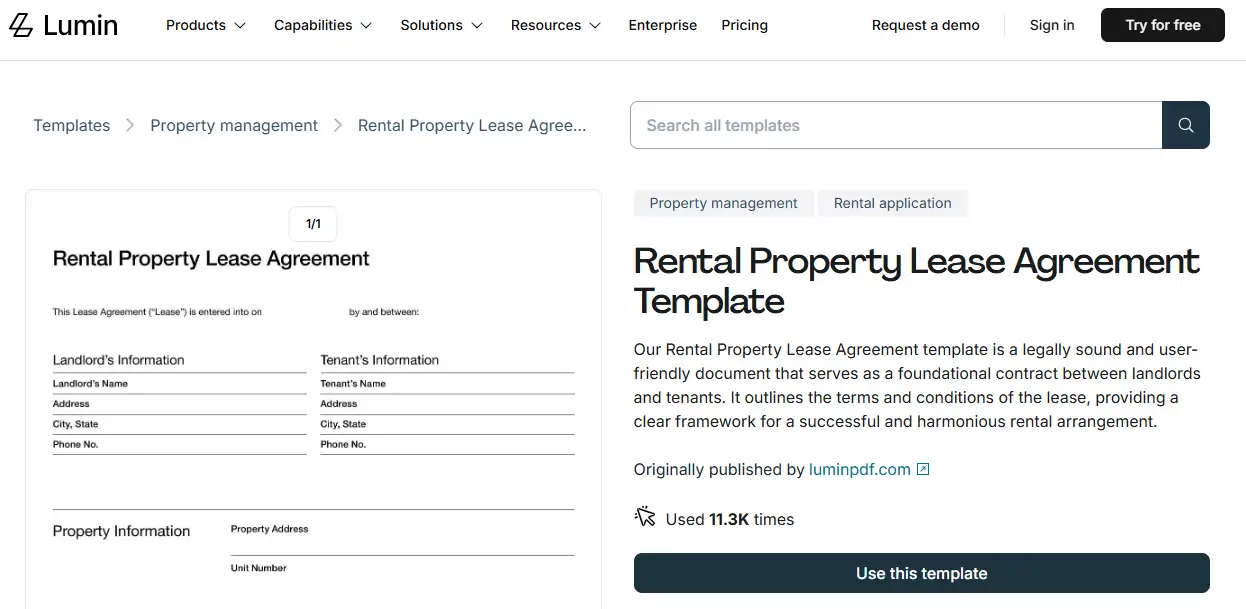
A standard lease agreement template is one reference point. It shows how a rental lease is usually organized: the duration of the agreement, the rent payments, and the maintenance responsibilities. This guide uses that structure to explain what tenants should review, which questions to ask, and when to get advice before signing. It is general information, not legal advice.
Why Tenants Should Read the Lease Closely
A lease is a binding contract. Once you sign it, you accept its terms, even if you did not notice them at the time. The most common disputes between tenants and landlords involve unclear rent rules, repair responsibilities, deposit deductions, and notice requirements. Each of these can be clarified before signing, which is much easier than resolving a disagreement mid-tenancy.
Reading the lease also helps you spot missing terms. If an important topic is not covered at all, ask about it before you sign.
The Terms to Review First
Start with these sections:
- The parties. Check that the landlord's name and the names of all adult tenants are correct and complete.
- The property. Confirm the address and unit number, and check what is included, such as parking, storage, or appliances.
- The term. Note the start date, the end date, and whether the lease renews automatically or runs month-to-month.
- Rent. Confirm the amount, the due date, the accepted payment methods, and any late fee. Make sure the figure is the same everywhere it appears in the document.
- The security deposit. Check the amount, when it is due, and the conditions for getting it back.
- Repairs and maintenance. Find out who handles repairs, how you report a problem, and how quickly the landlord must respond.
- Rules for the property. Review what the lease says about pets, guests, subletting, and shared spaces.
- Ending the lease. Confirm the notice period for leaving and how the landlord can end the tenancy.
If you find a term that is vague or confusing, ask the landlord to explain it in writing.
Questions to Ask Before You Sign
Ask these questions, and keep the answers in writing:
- What exactly does the rent cover, and when is it due?
- What is the deposit amount, and when and how will it be returned?
- Who is responsible for repairs, and how do I report a problem?
- How much notice do I need to give to leave, and how much notice will you give to end the lease?
- Are there any fees beyond rent and the deposit?
- Is it possible to change the lease later, and how would that happen?
If the answers differ from what the lease says, ask the landlord to correct the document before you sign.
Check Local Rules, Too
A lease cannot override the rules that apply in your state or city. Local requirements may cover security deposit limits, deadlines for returning the deposit, required disclosures, and rules about rent increases. Before you sign, look up the rules that apply where you live, or ask your local housing authority.
Some lease terms that conflict with local law may not be enforceable. Knowing the basics helps you recognize when a term needs a second look.
Signing the Lease Electronically
Many landlords now send leases for electronic signature. If you sign through an email link, read the entire document before you sign and download a copy for your records. Confirm that you can access the signed version later.
If you are asked to sign electronically, you can still ask for a draft to review first. Reviewing before signing is a normal request.
When to Get Advice Before Signing
Consider asking a local tenant advocate or attorney to review the lease when:
- The lease includes unusual terms, fees, or restrictions.
- The property is in a city with rent control or other tenant protections.
- A repair or deposit term is unclear, and the landlord will not clarify it.
- You are renting a room in a shared house with complex arrangements for shared spaces or utilities.
- The lease asks you to waive rights that you do not understand.
Free tenant help is available in many areas through local legal aid organizations and tenant unions. Check what is available where you live.
Common Tenant Mistakes
- Signing without reading the repair section. Repair responsibilities often cause the most disputes.
- Accepting a verbal promise. Terms that are not written into the lease are hard to prove later.
- Ignoring the notice period. Missing a deadline can cost you money or delay your move.
- Assuming the deposit rules are standard. Deposit limits and return deadlines vary by location.
- Keeping no record. Save copies of the signed lease, rent receipts, and written messages about repairs.
FAQ
Can a tenant ask for changes before signing a lease?
Yes. Tenants can ask for changes to a lease before signing it, and landlords often accept clarifications about rent, repairs, or notice. Put any agreed changes in writing and include them in the final document.
What should I do if the lease has a term I do not understand?
Ask the landlord to explain it, and ask for the explanation in writing. If it still is not clear, consider asking a local tenant advocate or attorney before you sign.
Is a lease binding if I did not read it?
Generally, yes. Signing a lease usually means you accept its terms, even if you did not read every section. That is why reviewing the lease before signing is important.
How do I know if a lease term follows local law?
Check your state and city rules on deposits, notice periods, and required disclosures. Your local housing authority or a legal aid organization can also help you confirm what applies.
Should I keep a copy of the signed lease?
Yes. Keep the signed copy, along with rent receipts, deposit records, and written messages about repairs or other issues.
Conclusion
A rental lease sets the rules for your home, so take time to review it before you sign. Focus on the rent, the deposit, the repair responsibilities, and the notice periods. Ask questions in writing, confirm local rules, and keep a copy of the signed lease. A standard lease agreement template can help you understand how a typical lease is organized, but your own lease needs to match your property, your landlord's terms, and the law where you live.