Share this link via:

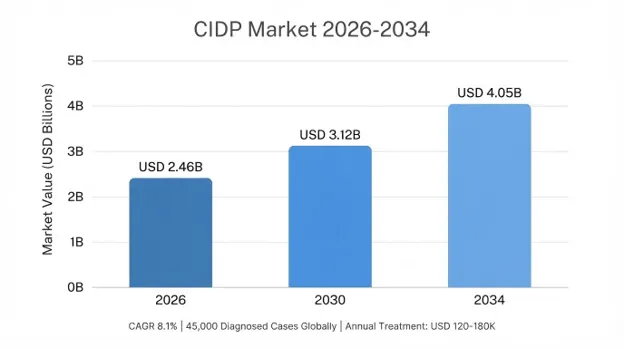
The global chronic inflammatory demyelinating polyneuropathy market was valued at USD 2.27 billion in 2025 and is projected to reach USD 2.46 billion in 2026, with expansion to USD 4.05 billion by 2034, growing at a CAGR of 8.1% during the forecast period (2026-2034).
Chronic inflammatory demyelinating polyneuropathy represents a rare autoimmune disorder affecting the peripheral nervous system through progressive inflammation and demyelination of nerve protective coverings, resulting in progressive weakness, sensory dysfunction, and motor impairment affecting millions globally. The disease encompasses multiple clinical subtypes and variants, including typical CIDP with symmetrical polyneuropathy affecting both proximal and distal muscles equally and atypical forms including Multifocal Acquired Demyelinating Sensory and Motor Neuropathy characterized by asymmetrical nerve damage and Distal Acquired Demyelinating Symmetric Neuropathy affecting predominantly lower extremities with slower progression patterns. The underlying pathophysiology involves immune-mediated attack on myelin sheaths surrounding peripheral nerve axons, leading to progressive conduction velocity slowing, conduction blocks, and eventually axonal degeneration resulting in functional disability and quality-of-life impairment.
Modern CIDP management encompasses sophisticated therapeutic approaches targeting immune-mediated inflammation through multiple mechanisms of action. Intravenous immunoglobulin therapy, derived from pooled human plasma containing diverse antibody populations, modulates aberrant immune responses through multiple mechanisms, including competitive blockade of pathogenic autoantibodies, Fc receptor engagement triggering anti-inflammatory signaling, and complement pathway inhibition. Subcutaneous immunoglobulin administration offers comparable long-term efficacy to intravenous formulations with advantages including improved patient autonomy through home-based self-administration, elimination of venous access requirements, reduced systemic adverse events, and therapeutic flexibility enabling weekly dosing regimens producing steadier immunoglobulin G concentrations compared to intermittent intravenous bolus dosing. Corticosteroid therapy, including prednisone and methylprednisolone, provides rapid anti-inflammatory effects through broad immunosuppression but faces limitations from long-term toxicity, including opportunistic infection risk, metabolic complications, bone loss, and psychiatric manifestations, necessitating steroid-sparing approaches. Plasma exchange effectively removes pathogenic autoantibodies and immune complexes, providing rapid short-term symptom improvement but requires specialized apheresis centers, specialized personnel training, and significant healthcare resource utilization, limiting accessibility, particularly in resource-constrained regions.
Emerging therapeutic innovations, including monoclonal antibody-based complement pathway inhibitors blocking classical complement activation at the C1s checkpoint; neonatal Fc receptor blockade preventing pathogenic antibody recycling, thereby promoting immunoglobulin G degradation; and B-cell-depleting agents targeting underlying autoimmune dysregulation, demonstrate promising efficacy in early clinical development. These advanced immunomodulatory approaches address critical unmet needs in patients with steroid-dependent or immunoglobulin-dependent disease, refractory manifestations unresponsive to conventional therapies, and disease variants with historically poor treatment responses.
The global CIDP patient population encompasses approximately 45,000 diagnosed prevalent cases across developed healthcare systems, with incidence rates ranging from 0.68 to 2.8 per 100,000 person-years and prevalence estimates of 7.0 to 8.9 per 100,000 individuals demonstrating considerable variation attributable to diagnostic capabilities, healthcare accessibility, specialist referral patterns, and disease awareness among primary care providers. Approximately 66% of diagnosed CIDP cases occur in North America, with European countries accounting for 29% and Japan representing 5% of documented cases, reflecting healthcare infrastructure disparities and diagnostic methodology variations. The disease demonstrates male predominance with male-to-female incidence ratios approximately 3:1 and age-related patterns with incidence increasing substantially in populations over 50 years, suggesting multifactorial pathogenic mechanisms potentially involving age-related immune system modifications and cumulative environmental exposures.
| Report Coverage | Details |
|---|---|
| Base Year | 2025 |
| Base Year Value | USD 2.27 Billion |
| Forecast Value | USD 4.05 billion |
| CAGR | 8.1% |
| Forecast Period | 2025-2034 |
| Historical Data | 2022-2025 |
| Largest Market | North America |
| Fastest Growing Market | Asia Pacific |
| Segments Covered | By Treatment Type, Route of Administration, Disease Indication, End-User, Geographic Region |
| Region Covered | North America, Europe, Asia Pacific, Middle East & Africa, Latin America |
| Countries Covered | US, Canada, Mexico, UK, Germany, France, Italy, Spain, Netherlands, China, Japan, India, Australia, South Korea, Brazil, Argentina, UAE, Saudi Arabia, South Africa |
| Key Market Playes | Takeda Pharmaceutical, Octapharma, CSL Behring, Pfizer, Grifols, Argenx, Sanofi, AstraZeneca (Alexion), Johnson & Johnson, Kedrion Biopharma |
Get more details on this report - Request Free Sample
The primary structural catalyst driving the chronic inflammatory demyelinating polyneuropathy market expansion involves escalating global disease burden combined with enhanced diagnostic capabilities and heightened healthcare provider awareness substantially improving case identification rates. Population-based epidemiological studies demonstrate chronic inflammatory demyelinating polyneuropathy prevalence ranging from 7.0 to 8.9 per 100,000 individuals in developed healthcare systems, with incidence rates of 0.68 to 2.8 per 100,000 person-years, establishing CIDP as a significant though rare neurological disorder affecting hundreds of thousands globally. The United States accounts for approximately 30,000 diagnosed prevalent CIDP cases, with European countries representing approximately 13,000 cases and Japan approximately 2,000 cases, though the actual disease burden substantially exceeds documented figures due to diagnostic delays, disease misclassification, and limited access to specialized neuromuscular diagnostic services in resource-constrained regions.
Diagnostic delay remains a substantial clinical challenge, with median time intervals from symptom onset to initial general practitioner evaluation averaging 6-7 weeks, progression to specialist neurologist consultation requiring additional 4-5 weeks, and formal CIDP diagnosis confirmation extending 4 months from initial symptom manifestation. Earlier diagnosis directly correlates with superior long-term functional outcomes and reduced irreversible axonal degeneration, establishing early recognition and treatment initiation as critical healthcare priorities. Studies indicate approximately 50% of patients initially suspected to have CIDP receive alternative diagnoses upon comprehensive evaluation, highlighting diagnostic complexity and the requirement for specialized electrophysiological expertise, neuroimaging capabilities, and cerebrospinal fluid analysis to distinguish CIDP from structural neuropathies, metabolic derangements, and acquired demyelinating conditions with overlapping clinical presentations.
Advances in electrodiagnostic testing, including high-resolution nerve ultrasound and diffusion tensor imaging magnetic resonance tractography, substantially improve diagnostic accuracy and enable earlier treatment initiation. Standardized diagnostic criteria established by the European Academy of Neurology and Peripheral Nerve Society guidelines incorporate clinical evaluation, nerve conduction study parameters, cerebrospinal fluid protein elevation, and immunological testing, enabling more consistent diagnosis across diverse healthcare settings. Improved diagnostic awareness among primary care physicians and neurologists, facilitated through continuing medical education initiatives and clinical guideline dissemination, enhances disease recognition, enabling prompt specialist referral and treatment initiation.
Transformative market expansion stems from substantial growth in immunoglobulin therapeutic availability, regulatory approvals for novel formulations and administration routes, and expanded access to subcutaneous immunoglobulin therapy enabling superior patient adherence and quality-of-life outcomes compared to conventional intravenous administration. Intravenous immunoglobulin, established as gold-standard CIDP maintenance therapy, demonstrates long-term efficacy with approximately 70% of treated patients achieving clinical improvement, sustained disease stabilization with continued therapy, and favorable safety profiles enabling decades-long therapeutic duration. However, intravenous administration poses substantial logistical challenges, including the requirement for specialized infusion centers with trained personnel; frequent healthcare facility visits every 3-4 weeks; venous access complications, including thrombosis, infiltration, and infection; and systemic adverse effects, including headaches, fever, and thrombotic events necessitating prophylactic medication in high-risk patients.
Recent FDA and European regulatory approvals for subcutaneous immunoglobulin formulations, including HYQVIA with enhanced subcutaneous absorption through recombinant human hyaluronidase and VYVGART HYTRULO with neonatal Fc receptor antagonism, substantially expanded treatment options, enabling weekly self-administration. Clinical trials demonstrate subcutaneous immunoglobulin efficacy comparable to intravenous formulations, with maintenance therapy stabilizing approximately 85% of patients on both 0.2 g/kg and 0.4 g/kg weekly dosing regimens. Patient preference surveys indicate 82% of patients transitioning from intravenous to subcutaneous immunoglobulin express preference for subcutaneous administration, citing greater independence, flexibility, reduced administration time, and fewer systemic adverse effects as primary motivations. Subcutaneous immunoglobulin eliminates the requirement for venous access, reduces premedication necessity, enables administration across diverse settings including the workplace, school, and vacation destinations, and produces steadier immunoglobulin G concentrations, reducing treatment-related symptom fluctuations experienced with intermittent intravenous bolus dosing.
Expansion of subcutaneous immunoglobulin availability through multiple manufacturers, including Takeda with HYQVIA approved in the United States and European Union; CSL Behring with HIZENTRA offering decades of clinical experience in primary immunodeficiency expanding to CIDP; and Grifols with emerging subcutaneous formulations, substantially improved global treatment accessibility. Prefilled syringe formulations simplify self-administration particularly for elderly CIDP patients with reduced dexterity, vision, or manual coordination capabilities, substantially reducing preparation time, minimizing medication errors, and enhancing patient acceptance of treatment.
A transformative market opportunity exists in emerging therapeutic classes, including monoclonal antibody-based complement pathway inhibitors and neonatal Fc receptor blockade agents that promise superior efficacy with reduced treatment burden compared to conventional immunoglobulin therapies. Riliprubart, developed by Sanofi, represents a first-in-class humanized monoclonal antibody selectively inhibiting activated C1s protease in the classical complement pathway, blocking a key inflammatory cascade responsible for myelin destruction and axial nerve damage, with subcutaneous administration offering substantial advantages, including a weekly dosing schedule, superior tolerability compared to immunoglobulin therapy, and potential for monotherapy management without immunoglobulin support. Phase III clinical trials demonstrated riliprubart efficacy with approximately 60% of treated patients achieving primary disability improvement endpoints compared to 35% in placebo control arms, supporting regulatory filing trajectory with anticipated FDA approval decisions in 2026.
Nipocalimab, developed by Janssen, and batoclimab, developed by Immunovant, both represent neonatal Fc receptor antagonists that reduce pathogenic immunoglobulin G-mediated autoimmunity by blocking Fc receptor-mediated antibody recycling, promoting immunoglobulin G catabolism through increased degradation, thereby reducing circulating autoantibody concentrations and ameliorating autoimmune manifestations. Phase II and Phase III clinical trials of batoclimab demonstrated meaningful improvements in disability scores during initial 12-week treatment periods, with patients demonstrating deeper immunoglobulin G reductions, showing superior responder rates, and establishing immunoglobulin G threshold as a critical determinant of therapeutic response. Nipocalimab Phase II/III trials are currently enrolling patients, with a development timeline suggesting potential approval decisions in 2026-2027.
Development of these novel therapeutic approaches addresses significant treatment gaps, including patients with inadequate responses to conventional immunoglobulin therapy; steroid-dependent manifestations requiring adjunctive immunosuppression with associated toxicity burden; and disease variants, including MADSAM and DADS, historically demonstrating poor immunoglobulin responsiveness rates. Premium pricing models for novel monoclonal antibodies reflecting development costs and therapeutic innovation are sustainable given superior clinical efficacy, reduced treatment burden through less frequent dosing, and improved quality-of-life outcomes justifying higher acquisition costs compared to conventional immunoglobulin formulations.
The most significant constraint limiting CIDP therapeutic market expansion involves extraordinarily high treatment acquisition costs for immunoglobulin therapies and emerging monoclonal antibody agents, combined with fragmented reimbursement coverage, substantial patient out-of-pocket expenses, and access limitations, particularly in price-sensitive international markets. Annual immunoglobulin therapy costs for CIDP patients average USD 120,000-180,000 per patient, including both pharmaceutical acquisition and administration expenses, with lifetime treatment costs frequently exceeding USD 2.5 million given treatment duration extending 20-30 years for many patients. Intravenous immunoglobulin administration requires specialized infusion center infrastructure, including trained nursing personnel, monitoring equipment, and facility overhead, substantially elevating healthcare delivery costs beyond pharmaceutical acquisition expenses. Emerging monoclonal antibody therapies, including riliprubart and nipocalimab, command premium pricing strategies with anticipated acquisition costs approaching USD 240,000-300,000 annually, creating substantial reimbursement challenges in healthcare systems with constrained budgets.
Insurance coverage for CIDP therapies varies substantially across geographic regions and insurance programs, with United States Medicare providing comprehensive coverage for FDA-approved immunoglobulin formulations and many commercial insurance plans applying prior authorization requirements, quantity limits, or mandatory generic substitution policies limiting access to newer therapies. European healthcare systems demonstrate variable coverage, with German statutory health insurance providing comprehensive immunoglobulin reimbursement, France implementing restrictive formulary requirements limiting subcutaneous immunoglobulin access, and the United Kingdom’s National Health Service restricting immunoglobulin approval to specific CIDP subtypes based on diagnostic confirmation stringency. Japan’s national insurance system provides immunoglobulin coverage following formal diagnosis confirmation but with annual treatment quantity limitations restricting patient access to optimal dosing regimens.
Uninsured and underinsured CIDP patients face catastrophic healthcare expenditures, with median out-of-pocket patient costs for immunoglobulin therapy ranging from USD 15,000 to 35,000 annually in developed markets, representing 8-15% of median household income for working-age patients and necessitating treatment discontinuation or dose reduction compromising disease control. Resource-constrained developing economies in Asia, Africa, and Latin America lack adequate immunoglobulin supply infrastructure, with limited pharmaceutical manufacturing capacity, restricted import availability, and minimal government healthcare funding for rare disease treatment resulting in CIDP patient populations receiving minimal therapeutic intervention.
A substantial market constraint involves the diagnostic complexity of chronic inflammatory demyelinating polyneuropathy with overlapping clinical presentations shared with other acquired and inherited neuropathies, resulting in diagnostic misclassification rates approximating 50% of initially suspected CIDP cases upon comprehensive specialist evaluation. Diagnostic misclassification arises from phenotypic similarities between CIDP and structural neuropathies, including diabetic polyneuropathy, hereditary demyelinating neuropathies, paraprotein-associated neuropathies, and toxic/medication-induced peripheral neuropathies, requiring specialized electrodiagnostic studies, imaging, and immunological testing to exclude alternative diagnoses. Inadequate access to specialized neuromuscular diagnostic services, particularly in resource-constrained regions and rural healthcare settings, results in treatment of misdiagnosed patients with immunoglobulin therapy inappropriate for underlying pathology, incurring unnecessary healthcare costs and delaying treatment of correctly classified conditions.
A transformative long-term market opportunity exists in developing gene therapy and cell therapy approaches targeting specific CIDP pathogenic mechanisms, including monoclonal autoantibody production and aberrant B-cell responses. While CIDP is traditionally regarded as an acquired autoimmune disorder, genetic predisposition involving human leukocyte antigen associations and familial clustering in approximately 5% of cases supports potential therapeutic benefit from gene correction strategies targeting defective regulatory T-cell development or genetic variations conferring increased autoimmune disease susceptibility. Autologous immune cell therapies including regulatory T-cell expansion and reinfusion demonstrate preliminary promise in early clinical development, with Phase I studies documenting disease stabilization and reduced immunoglobulin requirements in treated patients. Stem cell-derived therapies, including oligodendrocyte precursor cells potentially providing myelin repair mechanisms, offer longer-term therapeutic potential, addressing irreversible axonal damage through regeneration approaches.
Substantial market growth opportunities exist in developing individualized treatment algorithms utilizing real-world evidence incorporating genetic biomarkers, immunological phenotyping, and baseline disease severity to predict immunoglobulin dose requirements and treatment response probability. Emerging evidence suggests substantial inter-patient heterogeneity in immunoglobulin dosing requirements, with some patients achieving disease stabilization on maintenance doses of 0.2 g/kg weekly, whereas others require escalated dosing of 0.4 g/kg or higher, establishing the immunoglobulin threshold concept as a critical treatment optimization parameter. Biomarker-driven treatment selection, including baseline immunoglobulin G levels, anti-myelin protein antibody status, cerebrospinal fluid protein elevation severity, and nerve conduction study demyelination severity, may enable personalized dosing approaches maximizing therapeutic efficacy while minimizing unnecessary overtreatment. Real-world registry development capturing long-term treatment outcomes, adverse event patterns, and treatment switching trajectories provides an evidence foundation for clinical pathway optimization and healthcare system resource allocation.
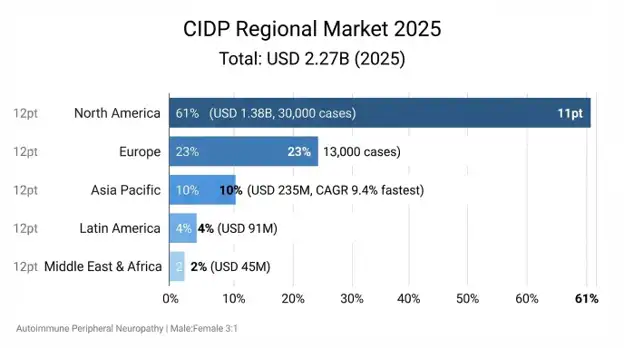
North America commanded the largest CIDP market share, valued at USD 1.38 billion in 2025, representing 61% of global market value, with a projected CAGR of 7.9% through 2034. The United States dominates the regional market, contributing 87% of North American revenue through comprehensive Medicare and commercial insurance coverage for FDA-approved CIDP therapies, concentrated neuromuscular specialist networks with 2,100+ board-certified neurologists with subspecialty training in neuromuscular disorders, and sophisticated diagnostic infrastructure enabling accurate CIDP diagnosis. Medicare coverage for immunoglobulin therapies provides a reimbursement foundation enabling widespread treatment access, with annual beneficiary utilization exceeding 28,000 CIDP patients receiving immunoglobulin therapy through Medicare programs. Commercial insurance plans in the United States provide variable coverage, with approximately 78% of commercially insured CIDP patients achieving timely treatment access following diagnosis confirmation.
The Canadian healthcare system provides universal immunoglobulin coverage through provincial health programs, though treatment access delays averaging 4-6 months from diagnosis to therapy initiation reflect healthcare system resource constraints and pharmaceutical supply limitations. Mexico represents an emerging market segment with limited specialized neuromuscular diagnostic services and minimal immunoglobulin availability, restricting treatment access to CIDP patients with financial resources enabling private healthcare utilization.
Europe represents the second-largest geographic market, valued at USD 520 million in 2025, representing 23% of global market value, with a projected CAGR of 7.6% through 2034. Germany leads the European market, contributing approximately 28% of regional revenue through statutory health insurance coverage for immunoglobulin therapy and robust neuromuscular specialist infrastructure with 450+ specialized neurologists treating CIDP patients across academic and private practice settings. The German healthcare system provides comprehensive immunoglobulin reimbursement with diagnostic stringency, requiring electrophysiologic confirmation and clinical deterioration documentation, enabling consistent treatment access for confirmed CIDP cases.
The United Kingdom contributes 17% of European market revenue through National Health Service coverage of immunoglobulin therapy following formal CIDP diagnosis confirmation, though treatment initiation delays averaging 8-12 weeks from diagnosis reflect healthcare system resource constraints. France represents 18% of the European market with more restrictive healthcare policies requiring a therapeutic trial of corticosteroids or immunosuppressive agents prior to immunoglobulin initiation, delaying newer subcutaneous immunoglobulin adoption despite clinical benefits.
Italy and Spain contribute approximately 14% of the combined European market with variable insurance coverage and more limited neuromuscular specialist availability compared to Germany and the United Kingdom, reflecting healthcare system resource disparities across EU member states.
Asia Pacific emerged as the fastest-growing geographic region with a CAGR of 9.4% through 2034, valued at USD 235 million in 2025, representing 10% of the global market. China dominates the regional market, with 58% of Asia Pacific revenue driven by a 1.4 billion population base, expanding healthcare infrastructure in urban centers, and growing middle-class patient populations with financial capacity for immunoglobulin therapy. Chinese regulatory environment with Central Drug Administration approval of immunoglobulin formulations and recent inclusion of subcutaneous immunoglobulin in national reimbursement drug lists substantially expanding CIDP treatment access. The Chinese healthcare market benefits from the manufacturing capacity of immunoglobulin products at lower cost structures compared to Western manufacturers, enabling more affordable therapy access.
Japan contributes 22% of the Asia Pacific market with universal healthcare coverage supporting immunoglobulin reimbursement for CIDP patients, strong neuromuscular specialist infrastructure including 180+ specialized neurologists, and advanced diagnostic capabilities enabling accurate CIDP diagnosis. The Japanese Ministry of Health, Labour and Welfare recently approved riliprubart, a monoclonal antibody, receiving orphan drug designation, positioning Japan as an early-access market for novel CIDP therapies.
India represents an emerging market opportunity with a 400+ million diabetes-affected population generating a large diabetic polyneuropathy patient population potentially misdiagnosed with CIDP; growing healthcare access through the Ayushman Bharat national insurance program serving 500 million beneficiaries; and development of affordable immunoglobulin alternatives through domestic pharmaceutical manufacturing. Limited neuromuscular diagnostic expertise in India restricts CIDP diagnosis accuracy, but rapidly expanding healthcare infrastructure and specialist training programs substantially improve disease recognition capabilities.
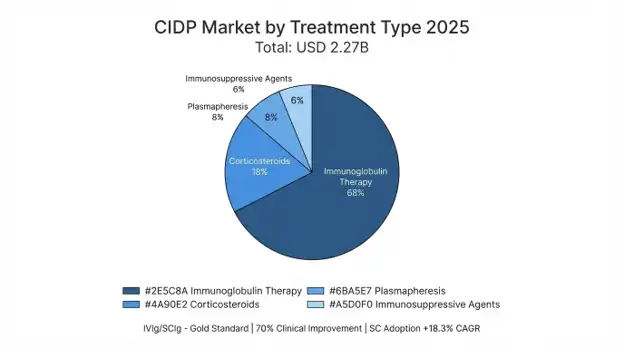
Immunoglobulin therapy dominates the treatment market segment with a 68% market share valued at USD 1.54 billion in 2025, encompassing both intravenous and subcutaneous formulations representing the gold standard in CIDP treatment with extensive clinical evidence supporting long-term efficacy and safety. Intravenous immunoglobulin retains 57% of total immunoglobulin market share despite the emergence of subcutaneous alternatives, benefiting from decades of clinical experience, established healthcare infrastructure for administration, and Medicare/insurance coverage precedence. Subcutaneous immunoglobulin represents an emerging high-growth segment with a 43% share, expanding 18.3% annually through 2034, driven by patient preference for home-based administration, superior adherence rates, and recent regulatory approvals for newer formulations.
Corticosteroid therapy accounts for 18% of the treatment market, valued at USD 409 million in 2025, predominantly comprising oral prednisone and methylprednisolone for induction therapy and steroid-sparing bridging approaches during immunoglobulin dose optimization. Despite significant long-term toxicity, including infection risk, osteoporosis, and metabolic complications, corticosteroids maintain a critical role as first-line induction therapy, providing rapid symptom improvement and enabling disease stabilization prior to immunoglobulin initiation.
Plasmapheresis contributes 8% of the treatment market, valued at USD 182 million in 2025, providing short-term symptom improvement through pathogenic autoantibody and immune complex removal, primarily utilized in severe disease manifestations, treatment-refractory cases, and acute exacerbations requiring rapid therapeutic response when immunoglobulin therapy is insufficient.
Immunosuppressive agents including azathioprine, methotrexate, and cyclophosphamide represent 6% of the market, valued at USD 136 million in 2025, and are utilized as steroid-sparing agents in corticosteroid-dependent patients and as adjunctive therapy for immunoglobulin-inadequate responders. Emerging monoclonal antibody therapies, including riliprubart and nipocalimab, represent a nascent segment expected to achieve 5-8% market penetration by 2034.
Intravenous administration dominates the route segment with a 62% market share valued at USD 1.41 billion in 2025, reflecting established treatment patterns and historical healthcare system optimization around infusion center models. However, intravenous administration faces competitive pressure from subcutaneous alternatives with market share projected to decline to 48% by 2034.
Subcutaneous administration represents the fastest-growing route segment, valued at USD 485 million in 2025 with a 15.2% projected CAGR through 2034, driven by regulatory approvals of enhanced formulations with recombinant human hyaluronidase enabling larger injection volumes and weekly self-administration. Patient preference surveys document 82% of patients transitioning to subcutaneous administration expressing preference for this route, supporting continued market share expansion.
Oral administration contributes 8% of the route market, primarily reflecting corticosteroid therapy utilization and emerging oral monoclonal antibody agents currently in development.
Hospitals & clinics represent the largest end-user segment, with a 52% market share valued at USD 1.18 billion in 2025, encompassing ophthalmology departments with infusion capabilities, neurology practices, and general hospitals providing intravenous immunoglobulin administration and diagnostic services. This segment maintains dominance through infrastructure investment in infusion equipment and specialized nursing personnel.
Specialty neurology centers account for 28% market share, valued at USD 635 million in 2025, representing comprehensive neuromuscular specialty practices with expertise in CIDP diagnosis, electrodiagnostic testing, and treatment management. This segment demonstrates 9.8% projected CAGR through 2034 driven by increasing patient referrals and specialized treatment optimization.
Homecare settings contribute 15% market share valued at USD 340 million in 2025, representing an emerging segment enabling patient self-administration of subcutaneous immunoglobulin and supportive care services. This segment projects 16.4% CAGR through 2034 as subcutaneous immunoglobulin adoption accelerates.
Ambulatory surgical centers represent a 5% market segment with 7.2% projected CAGR through 2034, primarily providing plasmapheresis procedures and inpatient treatment optimization services.
The global chronic inflammatory demyelinating polyneuropathy treatment market exhibits moderate-to-high concentration, with the leading ten manufacturers controlling approximately 72% of total market value through comprehensive product portfolios encompassing immunoglobulin formulations, emerging monoclonal antibodies, corticosteroid agents, and plasmapheresis equipment. Competitive differentiation centers on immunoglobulin product safety profiles with lower adverse event rates compared to competitors, regulatory approvals for novel administration routes enabling subcutaneous formulations, healthcare system relationships supporting formulary positioning and preferred therapy status, clinical trial programs demonstrating superior efficacy or tolerability profiles, and patient support programs reducing out-of-pocket treatment costs.
April 2025: Argenx announced FDA approval of a prefilled syringe formulation for VYVGART Hytrulo, enabling simplified self-injection for CIDP patients, representing manufacturing innovation reducing preparation time and medication errors.
March 2025: Immunovant reported Phase IIb topline results for batoclimab in CIDP, demonstrating meaningful disability improvements during a 12-week treatment period with deeper immunoglobulin G reductions correlating with superior responder rates.
January 2025: Takeda received FDA approval for GAMMAGARD LIQUID intravenous immunoglobulin for CIDP maintenance therapy, expanding therapeutic options in the United States market following clinical efficacy demonstration.
November 2024: Zai Lab partnered with argenx for VYVGART Hytrulo introduction in China, representing the first approved subcutaneous immunoglobulin for CIDP in the mainland China market.
September 2024: Sanofi announced positive Phase II results for riliprubart, a complement C1s inhibitor, demonstrating 60% of treated patients achieving primary disability improvement endpoints compared to 35% placebo control.
You'll get the sample you asked for by email. Remember to check your spam folder as well. If you have any further questions or require additional assistance, feel free to let us know via-
+1 724 648 0810 +91 976 407 9503 sales@intellectualmarketinsights.com
11 Aug 2026
Intellectual Market Insights Research © 2026. All rights reserved.